Lachesis is effective for aneurysms with symptoms of throbbing pain and a sense of constriction.


An abdominal aortic aneurysm (AAA) is an enlargement of the lower part of the aorta, the major blood vessel that supplies blood to the body, which can lead to a rupture if left untreated. It typically occurs in the abdomen and may present with no symptoms until it becomes life-threatening.
If an aneurysm bursts, it can cause life-threatening internal bleeding. Proper monitoring and timely treatment are crucial to managing the condition and preventing complications.
Early diagnosis and appropriate intervention are key to reducing the risk of rupture.
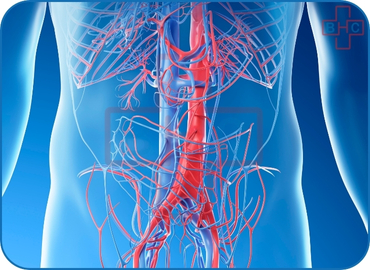
The exact cause of an abdominal aortic aneurysm is often unclear, but factors include atherosclerosis (hardening of the arteries), high blood pressure, and genetic factors. Smoking and advanced age are significant risk factors.
Thoracoabdominal Aneurysm: An aneurysm that involves both the chest and abdominal aorta.
Reduced blood flow to the legs or kidneys.
MRI: Used when more precise imaging is needed or if a patient cannot undergo a CT scan.
Male gender (men are more likely to develop AAA).
Endovascular Repair: A less invasive procedure to repair the aneurysm with a stent graft.
Our homeopathy treatment for abdominal aortic aneurysm is designed to promote your body’s innate healing abilities with precision and care. We provide a holistic approach that not only addresses the symptoms but also enhances vascular health and strengthens your overall well-being. Our meticulously selected remedies are crafted to prevent the progression of the aneurysm and support long-term health, all without the risk of side effects. Experience compassionate, expert care that focuses on achieving sustainable results and improving your quality of life.
Get regular screenings if you have risk factors.
Lachesis is effective for aneurysms with symptoms of throbbing pain and a sense of constriction.
Arnica Montana is used to prevent the rupture of aneurysms and manage related pain.
Crataegus supports overall heart health and helps in managing symptoms of aneurysms.
Aconitum Napellus is beneficial for sudden and severe pain associated with aneurysms.